Climate modelling

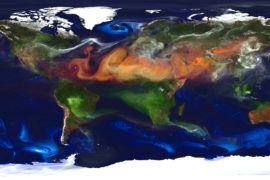
Hundreds of scientists in dozens of institutions are embarking on the next phase of the world’s largest coordinated climate-modelling effort. Cl... Read More

Computer models that use artificial intelligence (AI) cannot forecast record-breaking weather as well as traditional climate models, according to a n... Read More
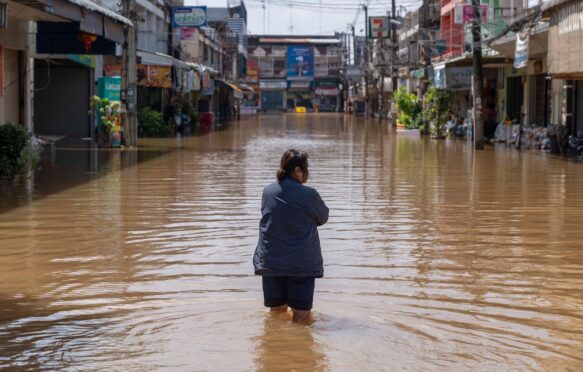
Limiting warming to 2C above pre-industrial temperatures may not be enough to prevent “extreme global climate outcomes”, according to research pu... Read More
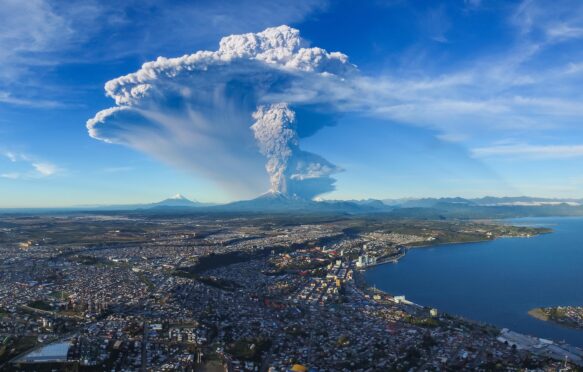
Volcanic eruptions pose a fundamental challenge for scientists and their climate models. It is well known that explosive eruptions can cause sudde... Read More

The ability of governments to implement climate policies effectively is the “most important” factor in the feasibility of limiting global warming... Read More
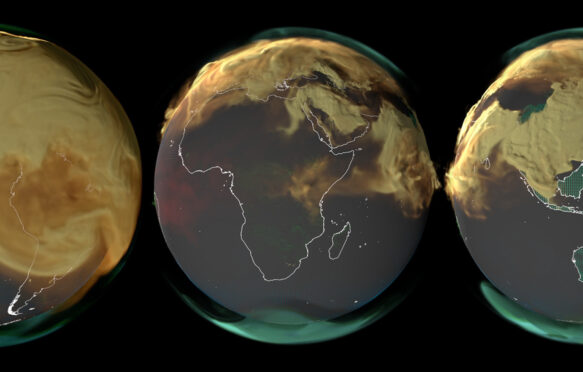
Fast-rising concentrations of carbon dioxide in the atmosphere are the main driver of human-caused global warming. Working out how to reduce these... Read More
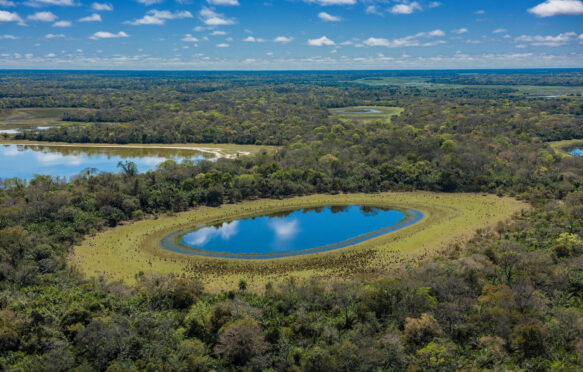
Methane emissions from wetlands have risen faster this century than in even the most pessimistic climate scenarios, new research finds. From the A... Read More

The world’s soils are the largest active store of carbon on the Earth’s land surface – clocking in at least three times more than in forests an... Read More
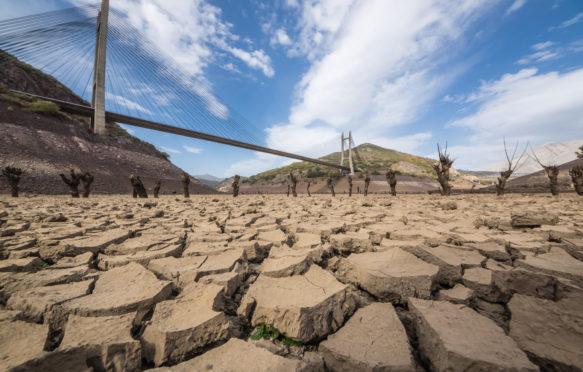
Expansion of the “Azores high” – a high pressure system in the north Atlantic – is driving “unprecedented” changes in western Europe’s ... Read More

The latest “CMIP6” generation of climate models includes a subset of “hot models” that point towards much greater warming than expected. T... Read More

As daily temperatures start to climb through the northern-hemisphere spring, attention starts to turn to the summer months and the chances of seeing ... Read More
POPULAR IN CLIMATE MODELLING